Your operation needs regular sanitation protocols customized for unique hazards, daily throughput, food allergens, and inspection schedules, including verifiable documentation confirming food safety measures, inspection compliance, and public health regulations. The information following provide details about essential cleaning protocols.
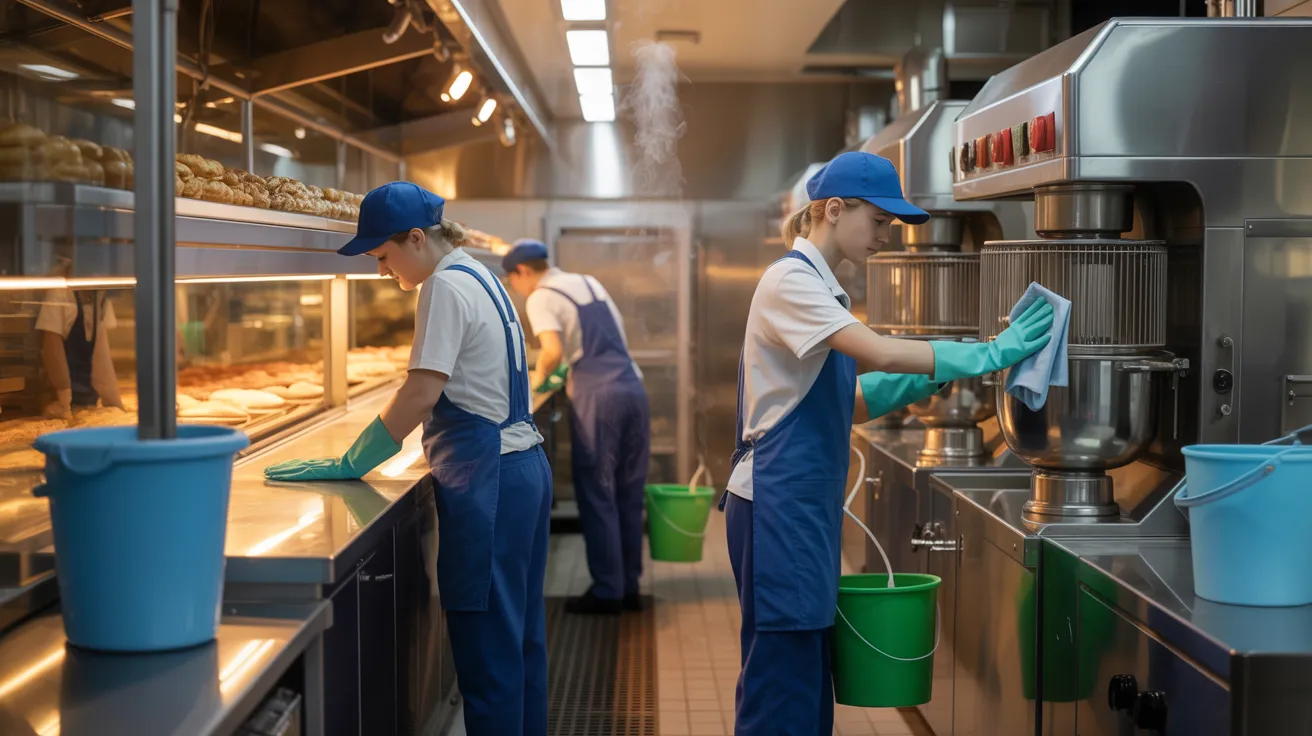
Main Points
- Brampton food safety cleaning experts maintain restaurants, grocery departments, commissaries, warehouses, bakeries, schools, mobile vendors, and allergen-sensitive operations.
- Cross-contamination elimination is maintained by sanitizing frequently contacted areas, food-contact equipment, kitchens, floors, drains, restrooms, and storage areas with area-specific procedures.
- Proper chemical concentration, appropriateness, and contact time are checked by trained vendors, with conclusion documented via tests, reviews, and corrective-action records.
- Hygiene calendars need to follow threat, output capacity, changeovers, releases, and standards, with routine, periodic, and periodic activities designated by area.
- Liability, color-categorized implements, hazard analysis knowledge, health regulatory understanding, WHMIS education, testimonials, and compliance-ready cleaning records are critical vendor qualifications.
What Brampton Facilities Require Food Safety Cleaning?
Food safety cleaning is essential for any Brampton facility that handles, maintains, prepares, packages, or offers food. Apply it to your facility if it comes under public health review, food regulations, or HACCP protocols. This includes dining establishments, break rooms, distribution centers, market departments, meat shops, fish areas, stores, and food prep kitchens.
You'll also need documented food sanitation in supply facilities, manufacturing operations, cold storage warehouses, bakeries, school food programs, reception halls, and delivery services. Portable business models matter as well, including catering trucks, festival vendors, and pop-up food booths. Should your workers prepare supplies, portion finished foods, reheat items, or manage allergen inventory, your venue requires documented cleaning protocols. In Brampton, cleanliness stays required; it comprises legal, operational, and consumer protection compliance.
What Services Do Brampton Cleaning Experts Provide?
You need professional cleaners who sanitize high-touch surfaces, kitchens, floor surfaces, and restrooms to comply with food safety and health regulations. They focus on these spaces because they pose the greatest danger for contamination spread, slipping risks, information and sanitation breaches.
Knowing their service areas allows you to confirm your operation's sanitation satisfies operational demands and regulatory compliance.
High-Touch Surface Disinfection
Brampton maintenance experts stress high-touch surface sterilization because these common areas can spread harmful microorganisms and food particles throughout a location. You must have a scheduling system for sterilizing all high-touch items including handles, plates, switches, railings, control surfaces, POS systems, and refrigeration equipment. Implementing contact point analysis, specialists determine every commonly touched point and assign cleaning intervals
changing cleaning materials regularly, using sequential cleaning methods, and segregating cleaning tools by location. This approach keeps your disinfection plan documented, well-documented, and inspection-ready continuously.
Kitchen Areas, Floor Surfaces, and Bathroom Spaces
Expect Brampton cleaning experts to target kitchens, floors, and restrooms because each area carries unique foodborne illness prevention, slip-and-fall, and sanitation risks. In industrial kitchens, you need degreasing on cook lines, equipment exteriors, drains, prep surfaces, and splash zones to minimize contamination and pest pressure.
Floor care that is documented should also be anticipated. Technicians clean and remove buildup from grout, tile, and vinyl flooring, then apply appropriate drying controls so you can reduce slip incidents and meet regulatory standards. They also address entryways where moisture and debris migrate indoors.
For restroom sanitation, cleaners sanitize high-touch surfaces, bathroom fixtures, stall dividers, supply dispensers, and trash receptacles, then refill items and eliminate smells. They also maintain restaurant cleaning supply rooms where product storage, sink cleanliness, and drain systems impact daily sanitation standards and worker protection.
Why Food Safety Cleaning Matters in Brampton
Brampton businesses need to establish proper sanitation practices for satisfying legal standards and obtaining approval. You also reduce bacterial spread through proper cleaning of food-preparation surfaces, appliances, and frequently-touched items. Most importantly, you help protect community wellness by reducing the chance of food poisoning in your establishment.
Food Safety Regulations
Since Brampton food companies must follow stringent health requirements, your hygiene maintenance directly impacts your capacity to satisfy health codes, defend diners, and eliminate regulatory penalties. You must maintain sanitized food contact points, documented cleaning schedules, correct sanitizer application, and verifiable staff procedures that meet municipal and provincial inspection expectations.
Excellent cleaning standards supports cross-contamination prevention by decreasing particles on shared equipment plus frequently touched surfaces. If your cleaning standards decline, you expose yourself to violations, compliance orders, brand harm, and service disruption risks during follow-up inspections or compliance reviews.
Cross-Contamination Prevention
Adhering to regulatory guidelines requires your skill in preventing cross-contamination throughout routine preparation and sanitation work. You need to isolate uncooked items from finished products, sanitize work stations after each task, and keep chemicals away from food-contact items. Organized systems minimize contamination events and ensure consistent compliance during inspections.
You should implement allergen segregation to prevent major allergens from touching shared surfaces, containers, or equipment. Use dedicated cutting boards, color-coded tools, and strict utensil labeling so staff don't mix items throughout cooking or serving. Require handwashing after handling uncooked proteins, shellfish, egg items, or allergen products. Change cleaning rags frequently, and check disinfectant potency using test kits. When you train staff to follow these controls each work period, you create a cleaner, safer operation that meets Brampton's food safety expectations consistently.
Public Wellness Protection
Should cleaning standards break, you don't simply encounter inspection problems—you expand the odds of foodborne illness harming customers, staff, and the wider Brampton population. You also weaken your role in protecting public health, especially in busy food facilities where contamination can spread quickly through surfaces, equipment, and touchpoints.
You need sanitation procedures that remove soils, disinfect properly, and confirm effectiveness. That requires adhering to exposure periods, employing authorized sanitizers, recording cleaning times, and training staff to meet regulatory standards. These measures facilitate pathogen reduction by reducing pathogens before they reach food or hands. In Brampton, rigorous cleaning shields at-risk groups, limits outbreak potential, and enables you to show proper care. When you maintain proper standards, you exceed basic requirements—you actively reduce risk and promote secure food handling citywide.
How Does Cleaning Support Food Safety Compliance?
Maintaining thorough cleaning protocols supports food safety compliance by reducing contamination risks, managing pathogen expansion, and keeping your facility in accordance with sanitation requirements under HACCP-based programs and public health regulations. You ensure that product-contact areas stay visibly clean and microbiologically controlled, facilitating documented preventive controls and inspection readiness.
Effective cleaning also reinforces allergen mitigation by clearing residues that can lead to undeclared allergen exposure. by removing residues that can trigger undeclared allergen exposure.
Establishing When to Plan Commercial Cleaning
maximum production periods, product transitions, spillage events
plan cleaning right before and following for optimal event turnaround.
Selecting the Right Brampton Cleaning Experts: Key Considerations
Screen providers initially by their food-safe sanitation requirements—not budget alone. You need to confirm that every company meets CFIA, public health, and HACCP-aligned expectations for your operation. Demand proof of insurance, WHMIS compliance, training records, and management systems. Evaluate technician understanding of cross-contamination risks, chemical safety, and documented sanitation practices.
Additionally, you need to evaluate service dependability and responsibility. Obtain references from Brampton food operations, then review service speed, corrective measures, and communication standards. Verify the company conducts supplier reviews and can deliver compliance-ready records when inspectors or external parties need proof. Verify equipment is maintained, color-coded equipment are applied correctly, and location-specific dangers are identified. A capable service protects compliance, product integrity, and your reputation.
What does a cleaning and sanitation plan consist of?
Create a documented plan that clarifies every sanitation task, standard, and responsibility before production begins. You should detail cleaning schedules, authorized chemicals, concentration levels, contact duration, implements, and validation techniques for each zone, surface, and piece of equipment. Incorporate pre-operational inspections, corrective actions, and employee training requirements.
Your program should also cover contamination prevention, garbage management, pest control procedures, and recorded timelines for bathrooms, drainage systems, surfaces, and food-preparation zones. Detail how you'll separate raw and ready-to-eat processes, support ingredient tracking, and maintain accurate allergen labeling through validated cleaning between product changes. You should assign accountability, keep signed records, and review results against regulatory standards, HACCP controls, and customer requirements. When gaps appear, update procedures immediately and re-educate staff.
Commonly Requested Inquiries
Will cleaning services manage nighttime hours at Brampton properties?
If you manage controlled environments, you'll also require records that support audits and ensure compliance.
Can Brampton cleaning experts manage hazardous incidents?
Yes, you can find Brampton cleaning experts to provide hazard containment services. They handle hazard containment, assess risks, contain contamination, and start rapid decontamination to reduce exposure and operational disruption. You should confirm their response times, professional credentials, safety procedures, and waste management. If your facility must meet health or food safety regulations, choose a provider that records events, follows compliant sanitation standards, and supports audit readiness.
Are eco-friendly disinfectants suitable for food-handling equipment?
Absolutely, natural disinfectants remain appropriate for food-contact surfaces when you select products labeled food safe and meeting regulatory standards. You must check application timing, mixing proportions, and rinse requirements before use. Plant-derived products reduce toxic chemical contact, though you should gather proof of efficacy against specific pathogens. For keeping surfaces residue-free, implement precise manufacturer instructions and ensure the disinfecting agent satisfies food industry regulations.
Can cleaning schedules be customized for production fluctuations?
Certainly, cleaning plans adapt to seasonal production changes effectively. Revise intervals, labor allocation, cleaning agents, and verification steps to correspond with seasonal workflows while preserving regulatory compliance. Lower equipment downtime via planning sanitization amid line changes, peak seasons, and usage patterns. Also revise procedural documents, staff education, and monitoring protocols to capture temporary risks, novel allergens, or elevated soil levels. Periodic assessments preserve the schedule current.
Are commercial cleaners offering employee instruction on sanitation best practices?
Indeed, commercial cleaning providers often offer employee coaching on proper hygiene. Your team receives instruction on proper chemical use, exposure durations, cross-contamination prevention, equipment disassembly, and documentation. They typically follow instruction with HACCP, GMP, and CFIA or local public health requirements. Many also execute sanitation audits to verify compliance, identify gaps, and strengthen improvement measures. This supports you in maintain consistent procedures, pass inspections, and decrease foodborne illness risks on a daily basis.
Closing Remarks
When you work with Brampton food safety and commercial cleaning experts, you don't just tidy up—you maintain your facility audit-prepared and your standards compliant. From kitchens to processing floors, every polished surface and well-kept corner helps reduce pest intrusion and prevent costly setbacks. By scheduling service at the proper frequency and following a clear cleaning plan, you protect employees, patrons, and your brand image. In a tightly regulated environment, sanitary conditions aren't optional—they're fundamental to proper operations.